
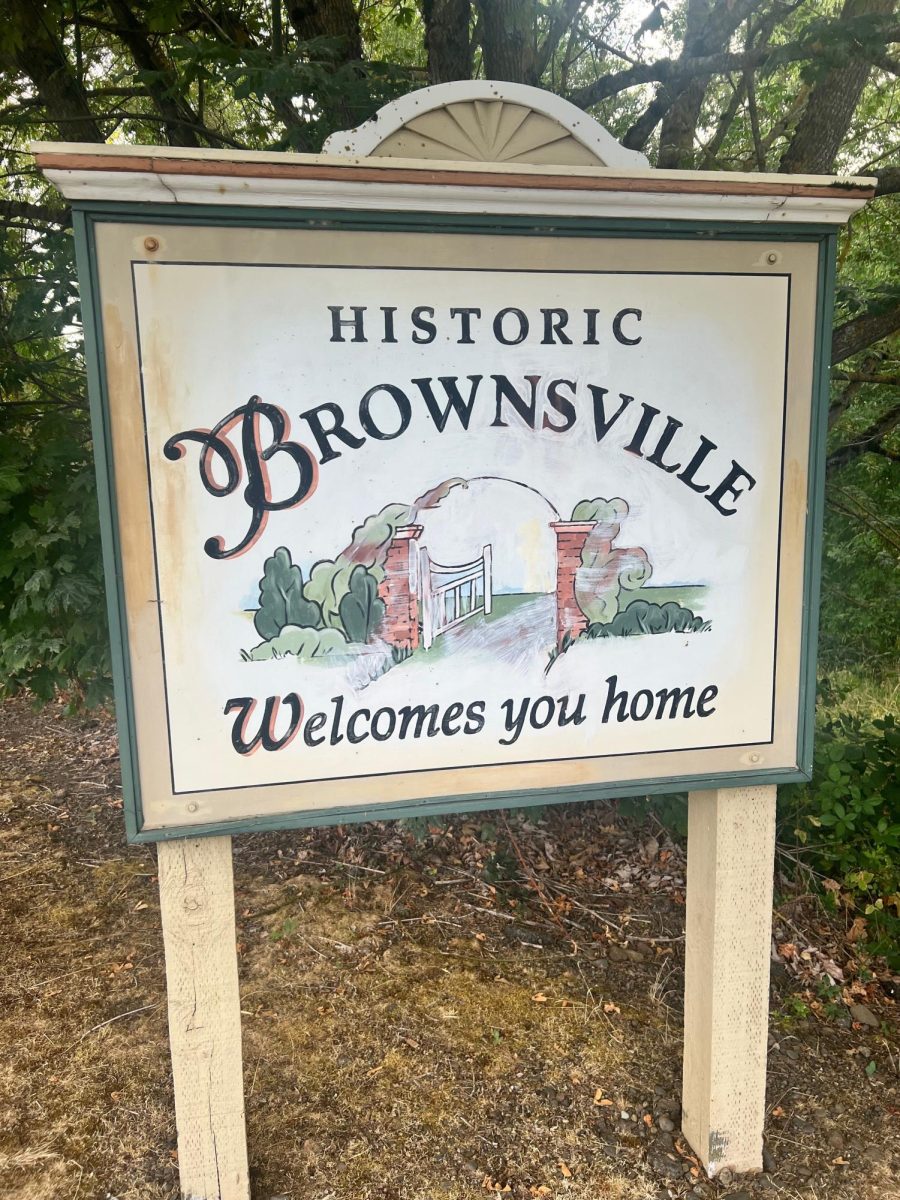
BROWNSVILLE, OREGON – Just over a decade ago, two dear friends of mine relocated from the icy mountains of Alaska to the lush farmlands of Oregon’s Willamette Valley. They moved specifically to begin ministry at First Baptist Church of Brownsville. Each year as I have visited my family in Oregon, I have made a point to visit my friends in Brownsville as well. While we have had many amazing times of fellowship, I must admit that, over the course of the decade they have lived there, I have never taken the time to explore their town for myself. That changed during the summer of 2026 – when something as simple as a morning walk through Brownsville’s historic downtown introduced me to so much of what this charming community has to offer.
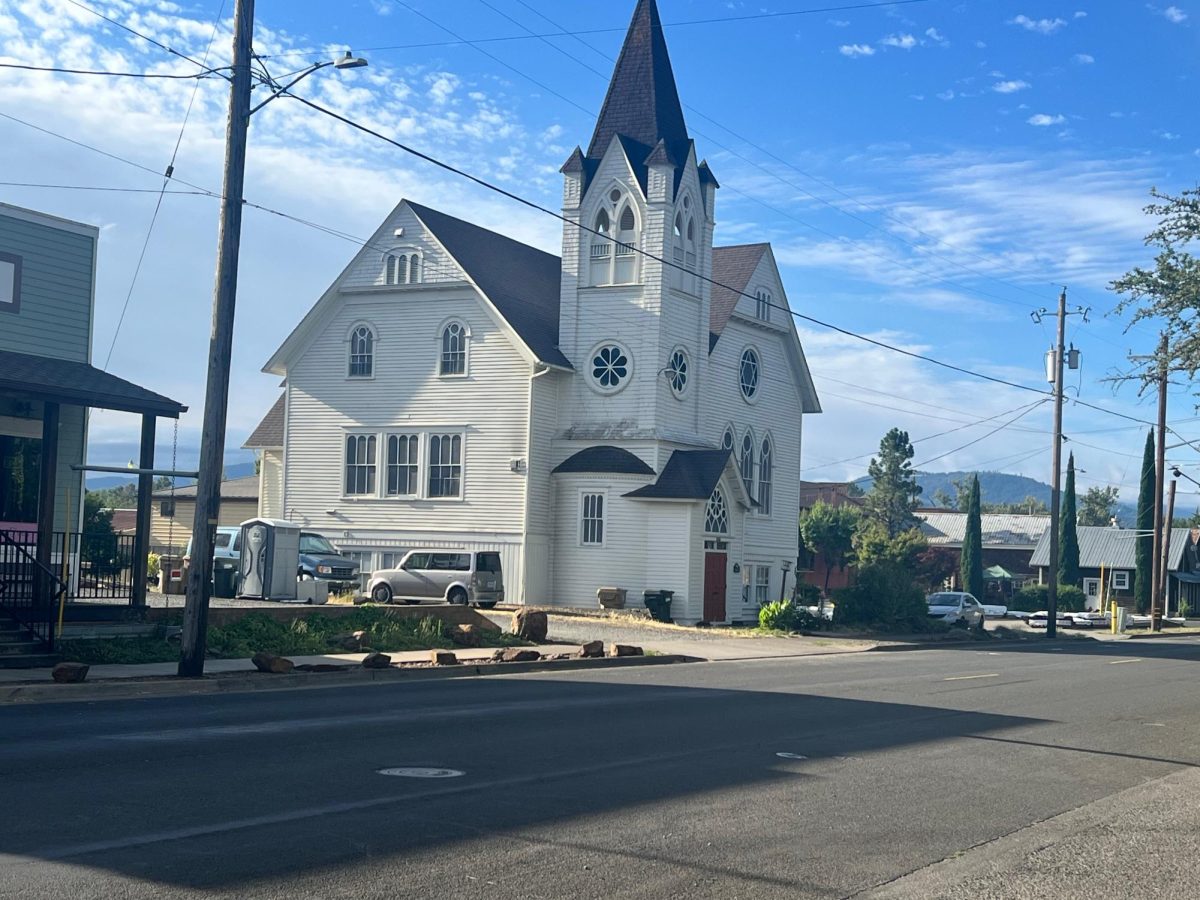
Located between Albany and Eugene, Brownsville is a community of fewer than 2,000 residents that has preserved much of its nineteenth-century character. As I walked leisurely down Main Street on a brisk Sunday morning, it felt less like visiting a modern town and more like stepping into living history. Historic storefronts, carefully maintained homes, welcoming local businesses, and quiet streets invite visitors to slow down and appreciate a simpler pace of life.
Though there were very few people on the streets at the early hour I was walking, one kind resident walking her dog asked if I was new in town. I explained that I was just visiting friends, and she wished me a great visit. The fact that a stranger talking a stroll was quickly recognized as new shows just how tight knit this community is – but also how welcoming they are to travelers passing through.
After my walk, a bit of research revealed Brownsville’s historic beginnings. The town traces its founding to 1846, when pioneers traveling the Oregon Trail settled along the fertile Calapooia River. The town grew around agriculture, milling, and commerce, becoming one of the earliest communities established in Oregon’s Willamette Valley. However, unlike many growing communities that replaced their older buildings with newer construction, Brownsville has retained much of its historic downtown. Today, many structures dating from the late nineteenth and early twentieth centuries remain standing, giving visitors an authentic glimpse into Oregon’s pioneer heritage. The result is a downtown that feels remarkably unchanged, making it one of the most historically significant small towns in the state.
In addition to the photogenic downtown, there are several more must sees while you visit Brownsville. First among them is the Linn County Historical Museum. Housed in a restored railroad depot, the museum is one of Brownsville’s finest attractions. Its exhibits explore the lives of Oregon Trail settlers, Native American history, local agriculture, transportation, military service, and community life throughout Linn County. Vintage railcars outside the museum further enhance the experience. For anyone interested in Oregon history, the museum provides excellent context before exploring the rest of town.
Next is Pioneer Park. My friends and I visited this park with their kids – and it was clear from the get go that the park is a major hub for community life. Nestled along the banks of the Calapooia River, Pioneer Park offers a peaceful setting for a picnic or afternoon walk. Large trees provide welcome shade, while the river adds to the quiet beauty of the park. The park also has several sporting fields, open green spaces, and pavilions for community events. But what really blew my mind about Pioneer Park is that public camping is allowed! This is something I have not encountered in Florida in any local community park. However, several tents and open campfires had been set up in Pioneer Park, and there were many families gathered to enjoy the lazy July evening when I visited. It is easy to understand why generations of local families have gathered here for celebrations and community events.
Movie enthusiasts may recognize Brownsville from the 1986 film Stand by Me. Several memorable scenes were filmed throughout town, and many recognizable locations remain largely unchanged. Fans often enjoy comparing modern streetscapes with scenes from the classic coming-of-age film. And finally, one of Brownsville’s more unusual attractions is Living Rock Studios, an artistic landmark featuring handcrafted stonework, sculptures, and imaginative architecture. It offers visitors something entirely different from the town’s pioneer history while showcasing remarkable local creativity.
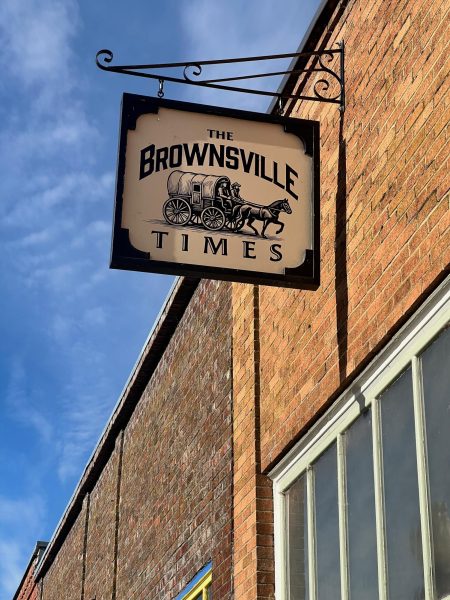 While these locales are certain to keep the tourists happy, it is clear that the actual residents of Brownsville have a love for their community that surpasses many of their larger counterparts in the surrounding areas. An evident example of this was the restoration of their community newspaper The Times in June 2025. For well over a century, The Times chronicled the life of Brownsville and its surrounding communities. Founded in 1888, the newspaper has reported on city government, schools, businesses, churches, civic organizations, celebrations, and the everyday stories that often go unnoticed by larger media outlets. Unfortunately, as has become far too common with small town papers these days, The Times shuttered their operations in December 2024 – ceasing a publication that had existed for 136 years. Thankfully, the people of Brownsville were not willing to stand for this. The community rallied together to revive the newspaper, and after a six-month hiatus, The Times returned in June 2025 as an independent nonprofit publication dedicated to preserving local journalism and continuing its long tradition of serving Brownsville and its neighboring communities. As someone who deeply appreciates community newspapers, it was encouraging to see a publication with such a rich heritage receive a new opportunity to serve its readers. And what I found especially compelling about the paper is that this new version is run almost entirely by community volunteers, making The Times the true voice of the people.
I am grateful I finally took the opportunity to explore this historic and charming small town – especially after having a decade’s worth of opportunities to do so. Should you visit Brownsville? Absolutely yes! Many destinations compete to offer bigger attractions, larger crowds, or more entertainment. Brownsville succeeds by offering something different: authenticity. Its preserved downtown, welcoming atmosphere, rich pioneer heritage, and commitment to preserving local history create an experience that cannot easily be replicated. Whether you’re interested in Oregon history, photography, architecture, or simply enjoying a peaceful afternoon in a beautiful small town, Brownsville offers rewards that extend well beyond its modest size. Sometimes the most memorable destinations are not the ones with the tallest buildings or busiest streets. Sometimes they are the places that quietly preserve the stories of those who came before us. Brownsville is one of those places.
References
Brownsville Chamber of Commerce. Visit Brownsville, Oregon. https://www.historicbrownsville.com/visit-brownsville-or
Brownsville Chamber of Commerce. What To Do in Brownsville. https://www.historicbrownsville.com/what-to-do
City of Brownsville, Oregon. History of Brownsville. https://www.ci.brownsville.or.us/history
The Brownsville Times. About. https://thetimescwv.org/about/
Photography Credit
All photography is the work of the author. All rights reserved.
This Post is Sponsored by:

Click the ad for more details.
The Believer’s Byline is a publication of Thrive Christian Press.
Copyright © 2026 David Scott Fields II. All Rights Reserved.